HOME ENERGY STORAGE / TANZANIA

Energy in reserve.
Life in motion.

Plan storage for the home essentials you want to keep running. Compare integrated systems and battery-only formats for coastal, central and highland equipment spaces.

One home. A considered system.
Integrated storage or a battery for your inverter.

EU 230 V — INSTALLATION ILLUSTRATION
INSTALLATION ILLUSTRATION01 / 03
INSTALLATION ILLUSTRATION
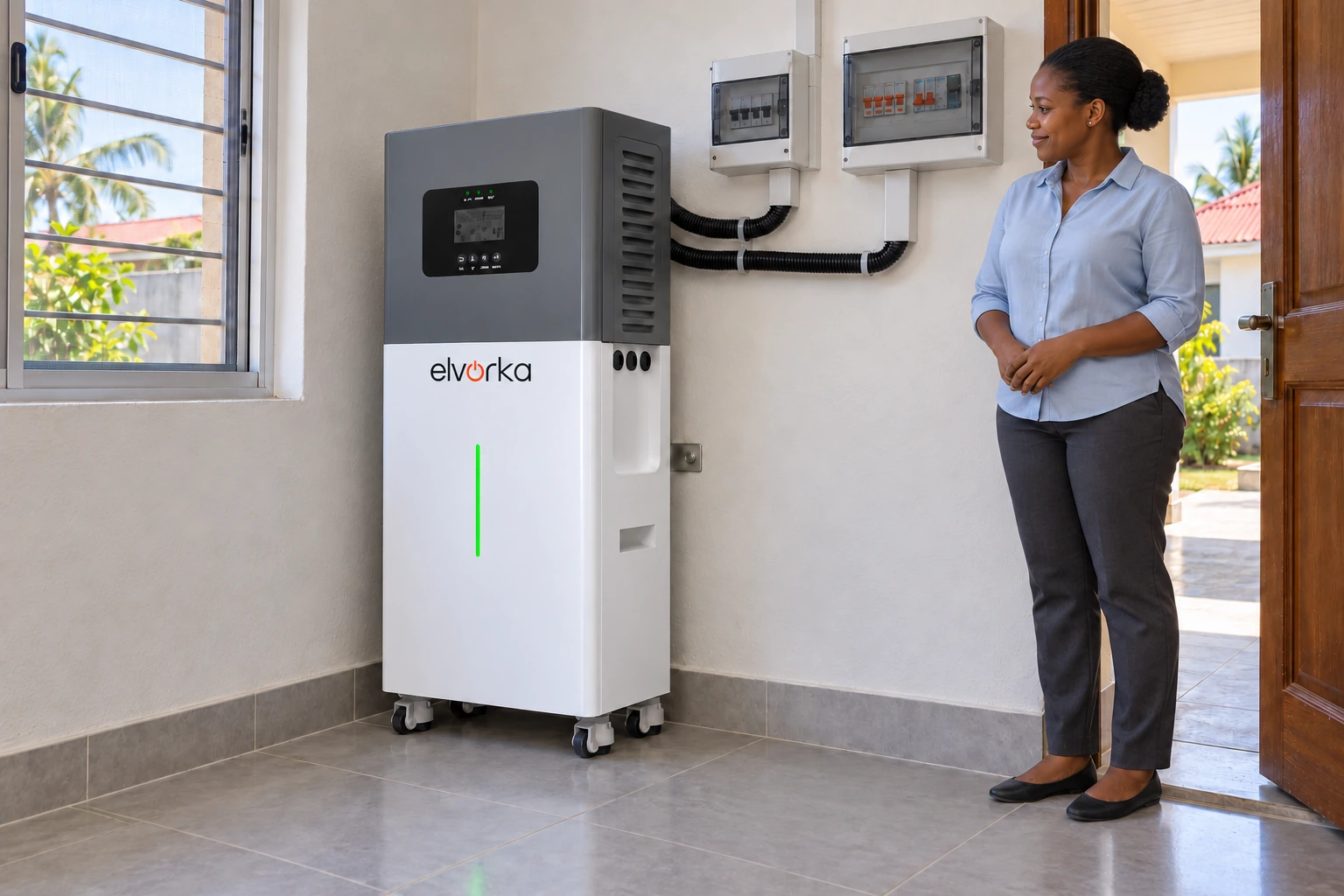
INVERTER INCLUDEDEU 230 VIntegrated battery + inverter

SMALLER FOOTPRINT.
GREATER POSSIBILITIES.

07Product families
29Listed configurations
5.12–48 kWhNominal energy across the collection
Product tour

Product tour

One home. A considered system.

Integrated storage or a battery for your inverter.

RESIDENTIAL ENERGY STORAGE / TANZANIALFP
All products

01 TWO WAYS TO STORE

Start with your setup.

A new installation or an existing inverter.
Choose your starting point.

TR PRO / MATERIAL & FORM
01 — ENCLOSURE / FRONT ELEVATIONPRODUCT DETAIL

03 LOOK A LITTLE CLOSER

Details you can
build around.

Start with the chemistry. Check the voltage. Specify the enclosure. Every good installation begins with a clear understanding of the product.

LiFePO₄
LFP battery chemistry
51.2 V
TR Pro nominal DC voltage
IP66
TR Pro enclosure rating
CAN / RS485
Communication interfaces
See TR Pro specifications

Coast, central plateau or highlands: make the room part of the plan.

Tanzania’s climate changes with region and elevation, and its rainfall seasons vary between regions. Match useful household storage to your daily loads, with the equipment room’s heat, moisture and service space guiding the final format.

01

Coastal home: fans, refrigeration and connectivity

In warmer coastal areas, selected fans, refrigeration and communications can form a useful planning group. A dry, sheltered utility room gives the equipment an organised setting away from daily living areas.

EU integrates the inverter and battery for a new indoor system; TR Pro supports a compatible 51.2 V inverter installation. Choose according to the circuit plan, room airflow and the exact model’s environmental limits.

Which fans, refrigeration and network devices belong on the selected circuits?
  • Can rain, coastal air or condensation reach the proposed equipment position?
02

Central home: protected storage in a dedicated room

Central areas include relatively dry climate zones. A protected utility space can support selected lights, the home office and household appliances while keeping dust and stored items away from the installation.

TR Pro offers a compact format; HP Ultra offers modular high-voltage storage when more energy is needed. Match battery voltage and communication to the inverter, then plan clear fixing, cable and service space.

How much energy is needed for the required backup hours?
  • How will dust, heat and access be managed in the proposed room?
03

Highland home: plan around the room’s temperature

Highland locations can differ from coastal conditions, and northeastern highlands have a different rainfall pattern from some central and southern regions. The actual equipment room provides the temperature and exposure inputs for selection.

A dry indoor system can serve the home-office and refrigeration plan without assuming the coast’s conditions. EU and TR Pro list charging from 0 °C; use model-specific temperature limits and retain cooling and service clearances.

What minimum and maximum room temperatures should the design cover?
  • Does the proposed room remain dry through its local rainy season?
Specifications
  • Start with average load and required hours to plan kWh, then check the compatible inverter’s running and starting output. More modules increase selected energy capacity within the supported system; they do not automatically increase AC output.
  • EU lists IP21 for a dry indoor installation. TR Pro and HP Ultra list IP66; standard TR and HP K list IP20 with IP54 optional, and TB rack lists IP20. Assess shelter, condensation and coastal corrosion separately from the IP code.
  • EU lists charging at 0 to 55 °C and discharging at −20 to 55 °C; TR Pro lists charging at 0 to 55 °C and discharging at −20 to 60 °C. HP Ultra’s temperature range needs confirmation for the selected configuration; optional heating is not a general sub-zero charging claim.

02 THE COLLECTION

Storage. Clearly specified.

Seven families. Three installation formats.
Compare the details that matter.

3 product families

TR Pro.

Wall-mounted. Thoughtfully contained.

10.24 / 16.076 kWh

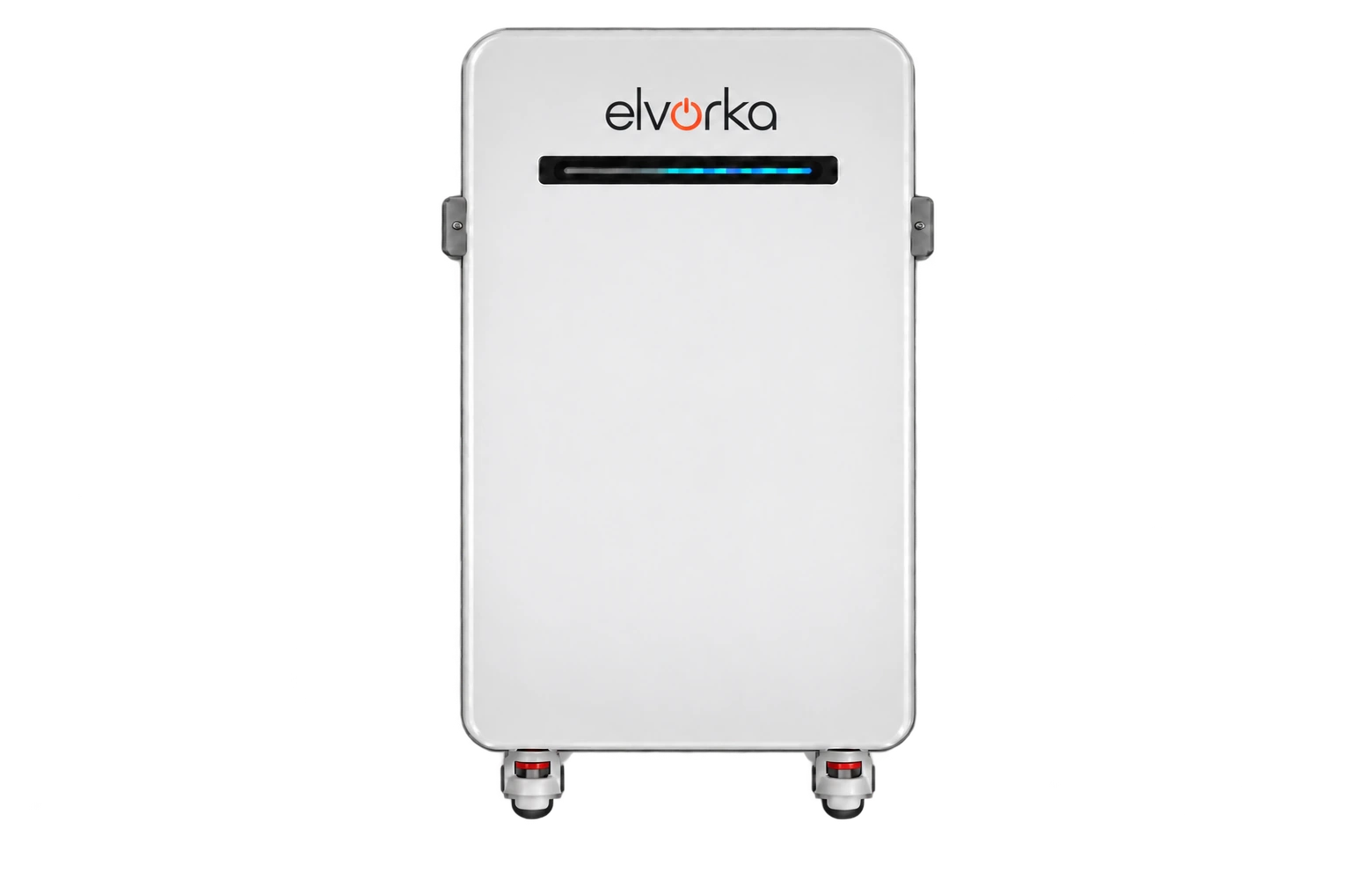
LFP battery storage in a wall-mounted format, with three specified models and an IP66 enclosure. Pair with a compatible external inverter.

Explore all product details ↗

EU 230 V.

An integrated starting point.

10.24 / 16.076 kWh

An integrated inverter and 51.2 V LFP battery system. Three listed power-and-capacity configurations, with rated AC output of 6.2 or 12 kW.

Explore all product details ↗

HP Ultra.

Storage with room to grow.

8–48 kWh

A modular aluminium-alloy LFP battery stack. Six specified configurations from 8 to 48 kWh, for integration with a compatible external inverter.

Explore all product details ↗

Seven storage families and 29 configurations are available for specification review. Final model compatibility, documentation, supply and delivery terms are confirmed per project; this page does not state local stock or certification.

Your setup matters. Battery-only products require a compatible external inverter.

Download the full collection

PRODUCT DETAIL / ORIGINAL LITERATURE

Every side.
Every connection.

Look beyond the headline specifications. Explore original product views, labelled interfaces and details for each family.

05 KNOW YOUR ESSENTIALS

Explore
your backup.

Start with the essentials you want to keep running. Adjust the load and battery size to explore an indicative backup duration.

Battery energy is measured in kWh.
Appliance power is measured in kW.
Your inverter must support the load.

Inverter included in all-in-one systems; external for battery-only products.

BACKUP EXPLORERYOUR ESTIMATEWatt / kW
10.24 kWh
1.0 kW
0.2 kW5.0 kW
Planning examples use assumed average appliance watts, not measured household consumption. Assess motor and compressor starting peaks separately. Air-conditioning, electric water heating, space heating and cooking are excluded.
INDICATIVE BACKUP
8.3hours
How this estimate works

Nominal battery capacity × 90% assumed usable depth × 90% assumed inverter efficiency ÷ average load. These are planning assumptions, not guaranteed product ratings. Actual backup varies with usable energy, temperature, battery age, standby use and load changes. Starting currents and inverter limits must be checked separately.

Use this in my project

OUR PRODUCTS / AT HOME

Choose storage around your room and your routines.

From selected fans and refrigeration to a connected home office, start with your actual loads and desired backup hours. A complete integrated system and a compatible-inverter battery installation follow different design paths; choose the one that fits your home.

EU 230 V / INVERTER INCLUDED

One integrated home-energy system.

EU combines storage and inverter in one system for an indoor dry service room, with the model’s cooling and service space.

HP ULTRA / BATTERY ONLY

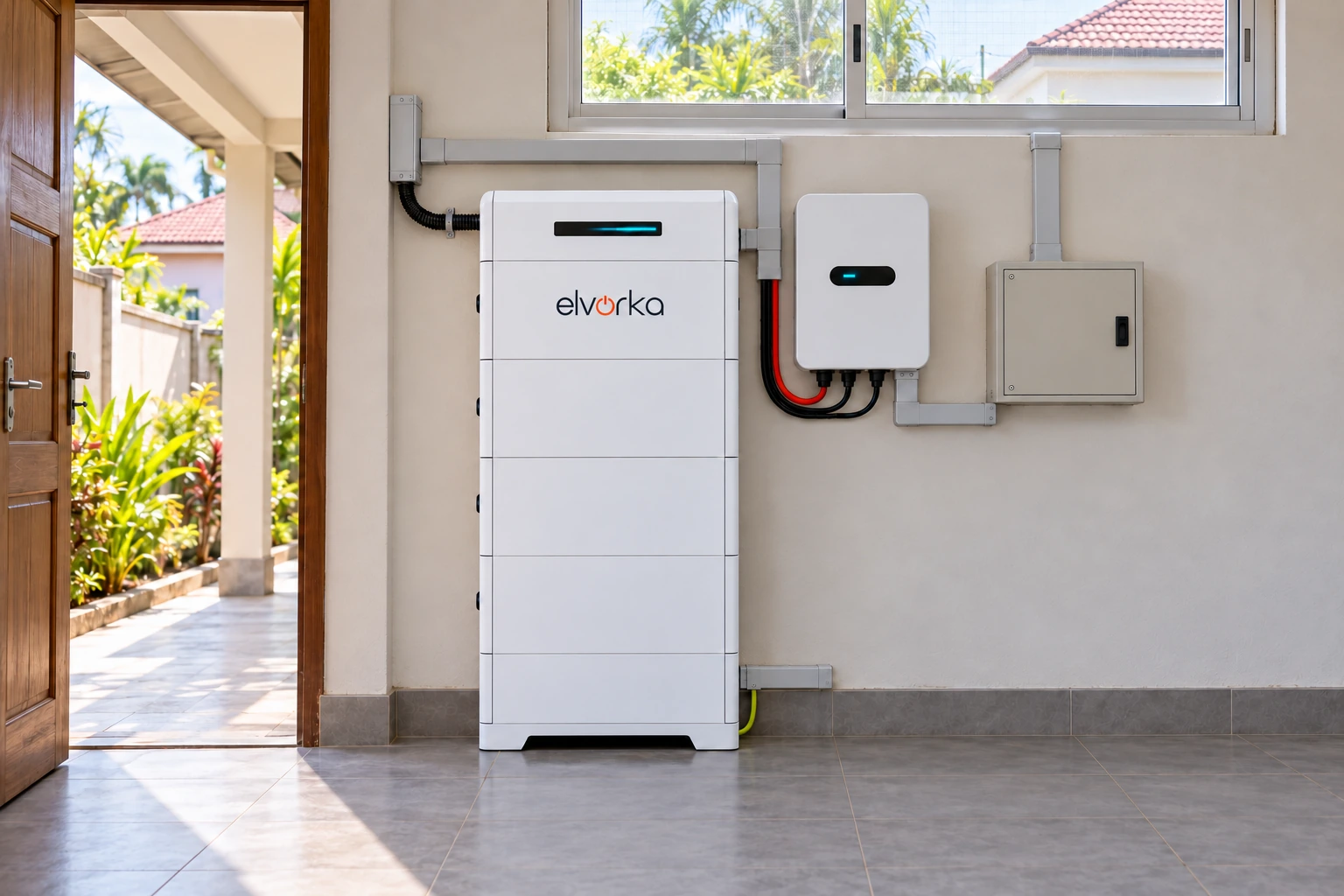
A modular reserve for more selected circuits.

HP Ultra offers high-voltage modular battery storage with a confirmed compatible external inverter and an energy capacity selected for the project.

TR PRO / BATTERY ONLY

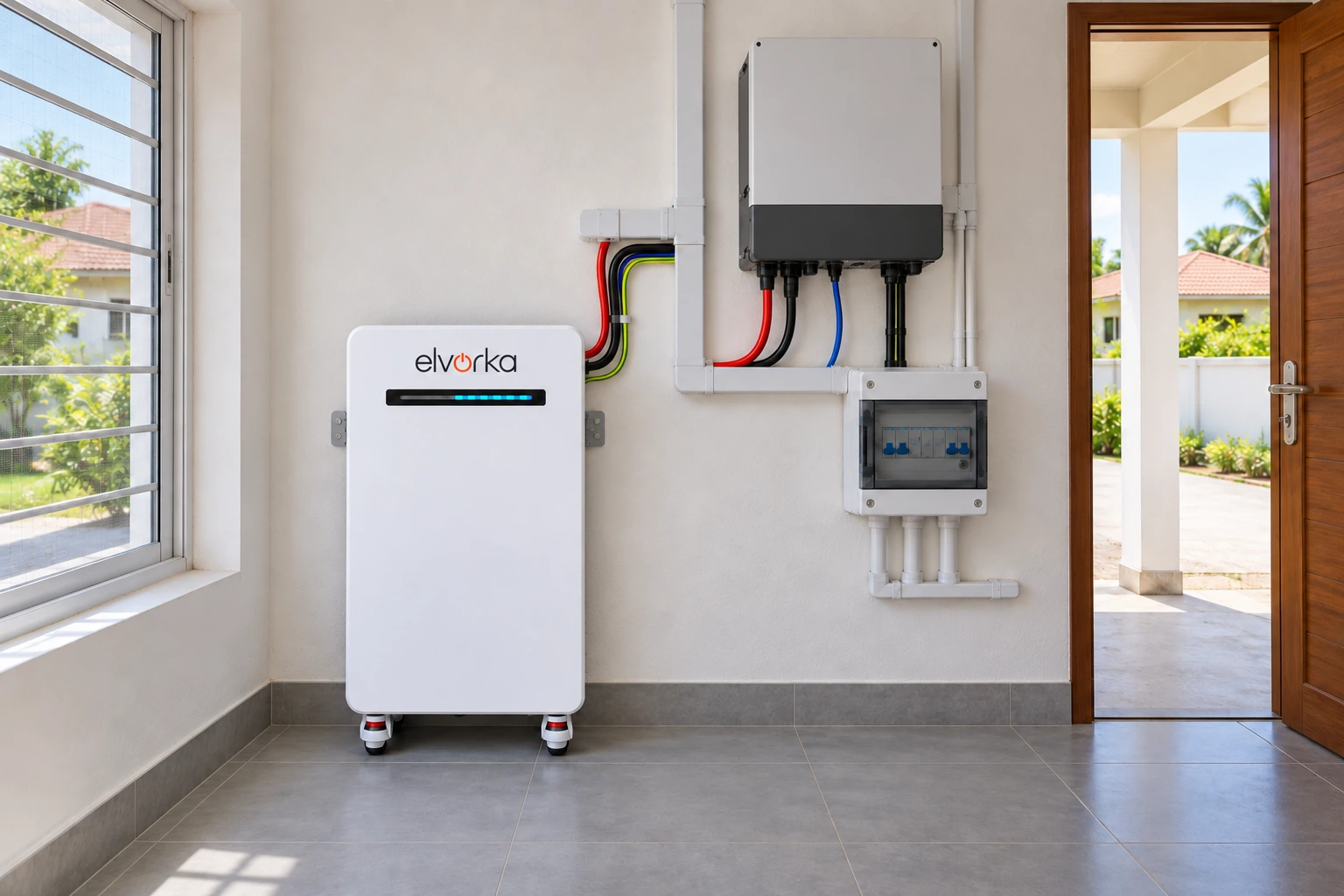
A slim battery for an existing inverter.

TR Pro offers a 51.2 V battery-only format with accessible front display and protected service connections; check inverter protocol and current limits.

Installation illustrations featuring products from this collection. Scenes are composites, not photographs of completed customer projects. Visible layouts are illustrative; final connections, protection and clearances follow the selected model’s installation manual and site design.

06 KNOW YOUR SYSTEM

Choose with clarity.

elvorka product collectionEnglish · PDF · 8 pagesPDF
Original product collection · English PDF ↘

Good questions.
Straight answers.Start with the system you have.
Choose the storage you need.

How do I choose between integrated storage and a battery-only system?

For a new complete storage installation, an integrated system brings the battery and inverter together. For an existing inverter, compare battery voltage, communication and current limits first, then choose the capacity and enclosure for your room and required duration.

Can I connect a 51.2 V battery to my existing inverter?

A nominal voltage match alone does not confirm compatibility. Your installer should verify the inverter’s DC voltage window, charge and discharge current, CAN or RS485 protocol, firmware and protection settings. High-voltage batteries must not be connected to a low-voltage inverter.

What should be checked for a project in Tanzania?

Confirm the installation’s AC supply, inverter phase requirements, essential-load circuits and local electrical requirements. The EU integrated range lists 230 V AC and 50 / 60 Hz. TA6000 lists 120 V US and 230 V EU options; specify the required market configuration. The project’s backup circuits and protection requirements need installer review.

Can these batteries be installed outdoors?

TR Pro and HP Ultra list IP66 enclosures. Other families have different or optional protection ratings. An IP rating alone is not an installation instruction: check the selected model’s temperature limits, clearances, shelter, ventilation and installer requirements.

Does more battery capacity mean more output power?

No. Capacity in kWh describes stored energy. Power in kW describes the rate energy can be delivered. Battery-side DC ratings and inverter AC output are different. Both the selected battery configuration and inverter must support your operating and starting loads.

How do I confirm price, warranty and availability?

Prepare a project brief with your city, required loads, existing inverter and selected product. Ask your supplier to confirm the exact configuration, quotation currency, warranty terms, installation scope, delivery timing and after-sales arrangements in writing.

Does the same installation plan fit Dar es Salaam and a highland home?

The electrical design always follows the exact system, but the site assessment should reflect the actual room’s heat, humidity, minimum temperature and rain exposure. Regional climate provides context; it does not replace a project-specific equipment-room assessment.

Can modular storage support more appliances automatically?

Additional supported modules can increase stored energy and planned duration. Which appliances run together still depends on the inverter’s AC output, battery current limits, wiring and starting demand; these need a separate check.

Does ELVORKA supply solar panels or standalone inverters here?

This collection covers integrated home storage systems and battery-only products. A battery-only project needs a separately sourced compatible inverter; the EU integrated system already includes its inverter. Solar panels and standalone inverter sales are outside this collection.


Your next chapter

Start with your setup.

YOUR NEXT CHAPTER

Let’s plan
your system.

Tell the story of your home. Prepare a clear project brief to share with your installer or storage supplier.

YOUR HOME. YOUR ENERGY.

Contact the Founder

eric@elvorka.com

Share your city, selected circuits, battery model and installation environment. Availability, electrical configuration and project requirements are confirmed by enquiry.

Your submitted details are saved for the ELVORKA team to review and follow up. Please avoid including passwords, identity documents or unrelated sensitive information.

ELVORKA

A clearer view of home storage.

Practical reading for choosing battery capacity, checking equipment-room conditions and preparing a useful installation brief.